
One of the questions I hear most often is, “How does the process work?”
The honest answer is that every project is a little different, because every homeowner is different. Whether I’m building a kitchen, a built-in, or a custom piece of furniture, I don’t start with measurements. I start with a conversation.
My goal isn’t just to build something that looks good. It’s to understand how you live in a space so I can design something that actually works for you day to day.
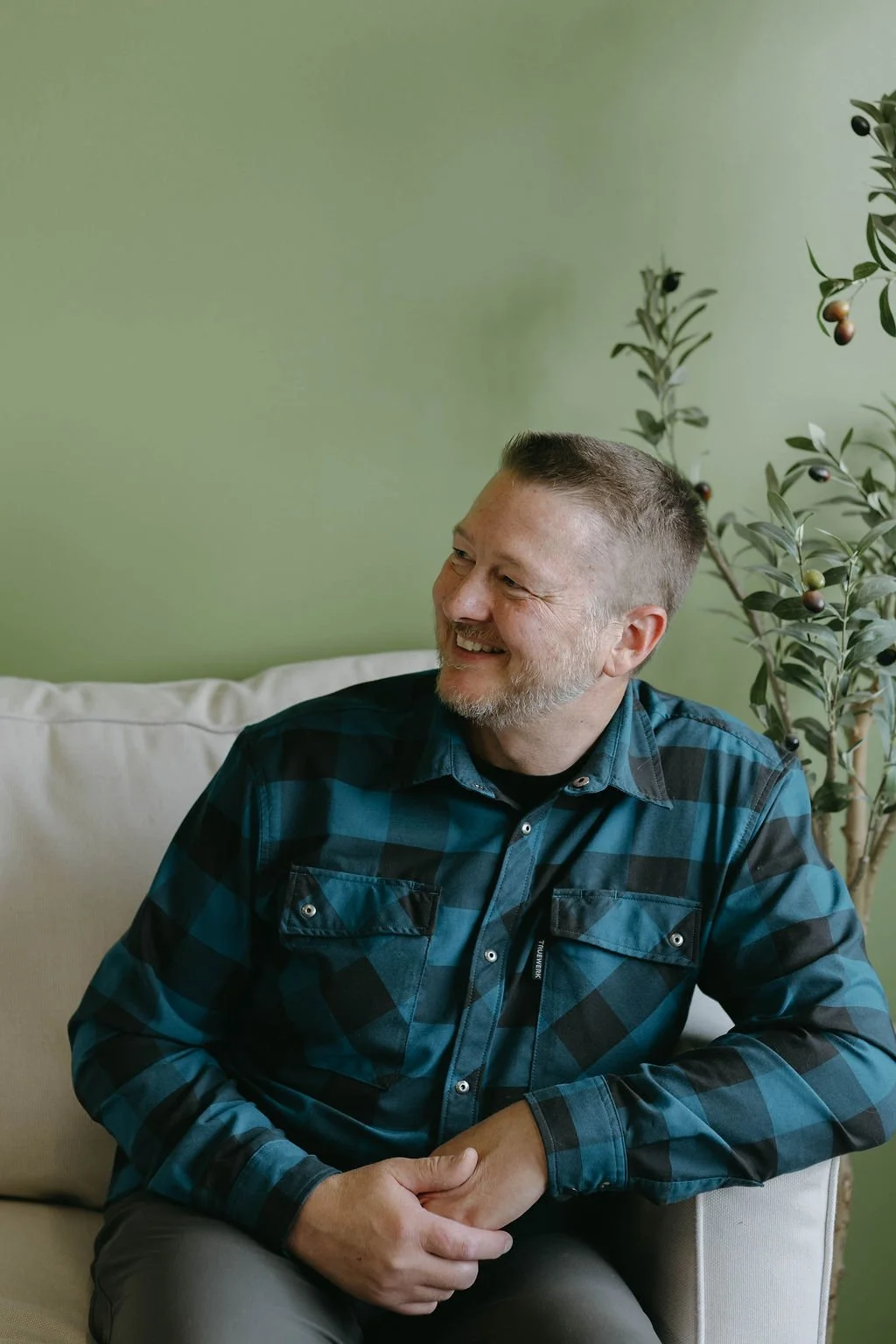
Every Project Starts With a Conversation
Before I ever open my design software or step into the shop, I spend time getting to know the homeowner and the project.
I’ll ask questions about how you use the space, what you like, what isn’t working right now, and what you’re hoping to change. Some people come in with a clear vision, and others aren’t quite sure how to describe what they want. Either way is fine. We’ll figure it out together.
Early in the process, I often use AI-generated concept images to help explore different ideas. It’s a helpful way to look at layouts, wood species, finishes, and styles before we commit to anything. It gives people something visual to react to, which makes those early conversations a lot easier.
Turning Ideas Into a Plan
Once we’ve settled on a direction, I move into detailed 3D drawings that I create myself so you can see exactly what I’m planning to build.
This is where we start refining everything.
Sometimes it’s adjusting cabinet sizes. Sometimes it’s reworking storage so it functions better. Other times it’s small design changes that make a big difference in how everything comes together. I’d much rather make those decisions at this stage than after materials have already been cut.
When everything feels right, we finalize the design, select materials, and set a timeline for the project.
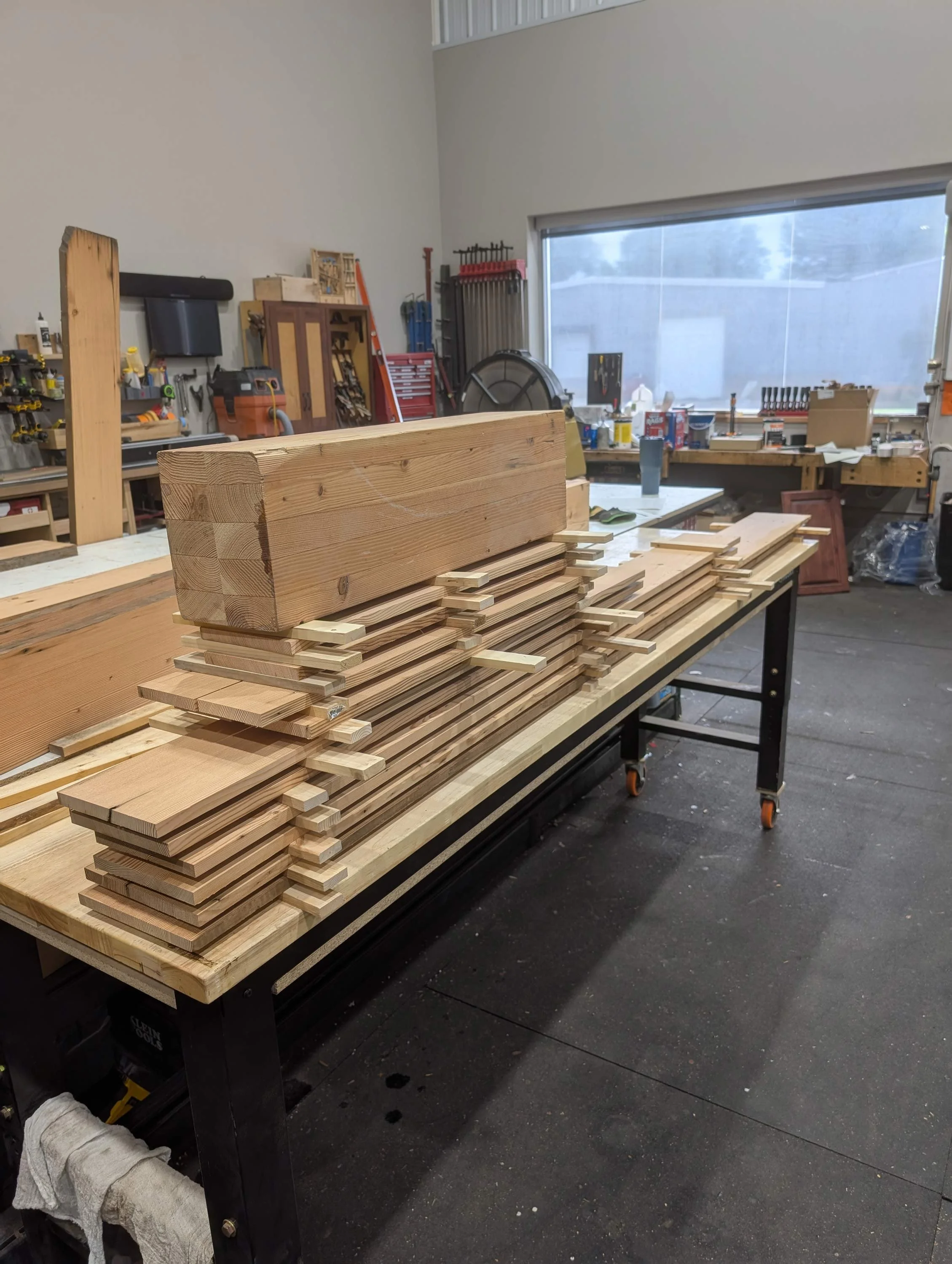
Why I Never Rush the Lumber
One of the most important parts of the process is something most people never see.
After the lumber arrives at my shop, it sits in a climate-controlled space for several weeks before I start building. That gives it time to adjust to the environment.
Wood is always moving. It reacts to temperature and humidity, and if you rush that process, you can end up with boards that twist or shift after they’ve already been milled.
Letting the lumber acclimate gives me confidence that what I’m building is going to stay stable over time.
Sometimes that patience goes even further. I’ve waited months to find the right material for a project, because using the right lumber is just as important as how it’s built.
“Using the right lumber is just as important as how it’s built.”
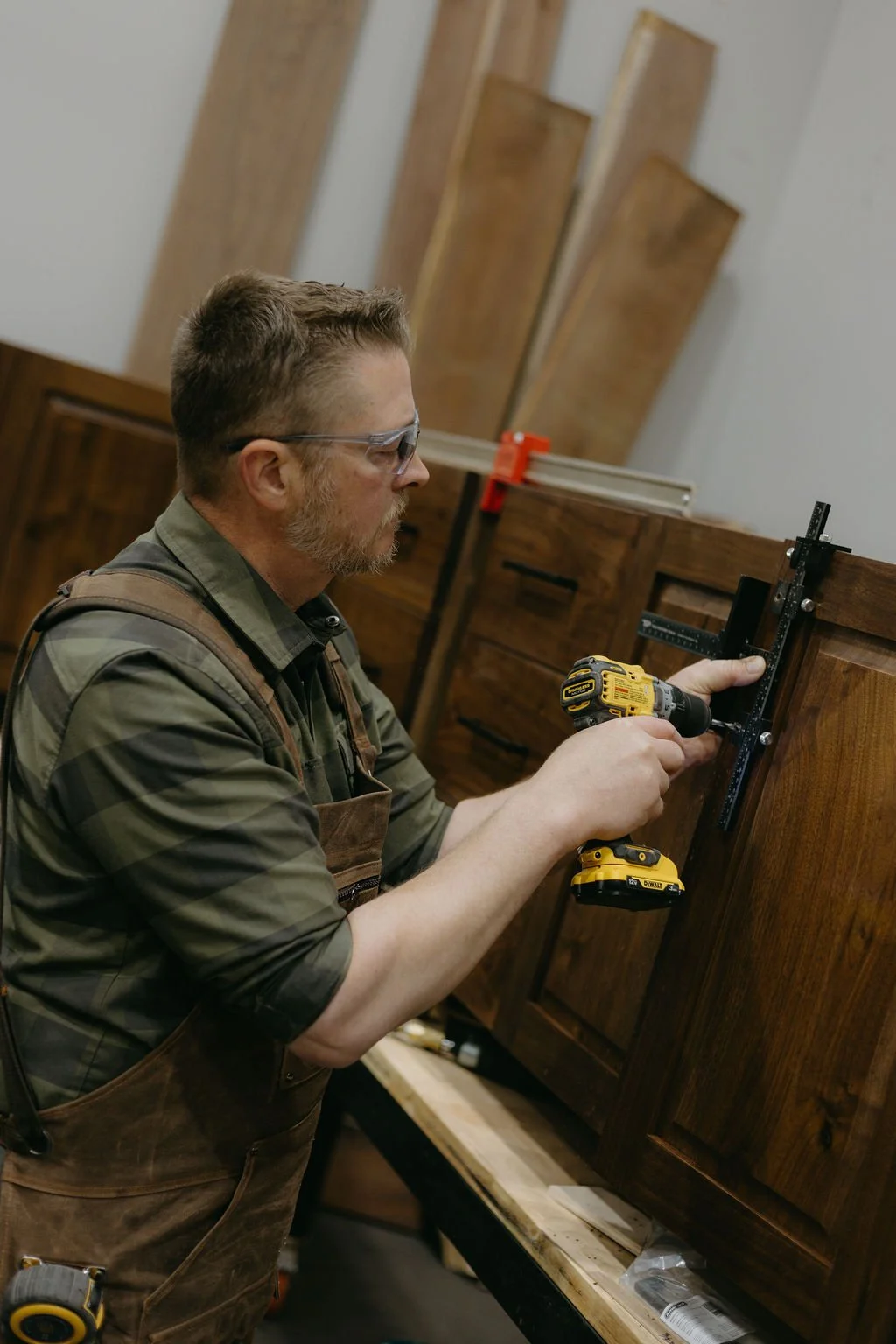
Building Every Piece by Hand
Once the lumber is ready, that’s when the real work begins.
Every board is milled, inspected, and selected for where it will be used. I pay close attention to grain and how pieces will look together, not just individually. Joinery is cut, components are assembled, and everything is sanded and finished before it ever leaves the shop.
None of that is rushed.
Every step affects how the finished piece looks and how it performs over time. Taking the time to do it right has always mattered more to me than doing it quickly.
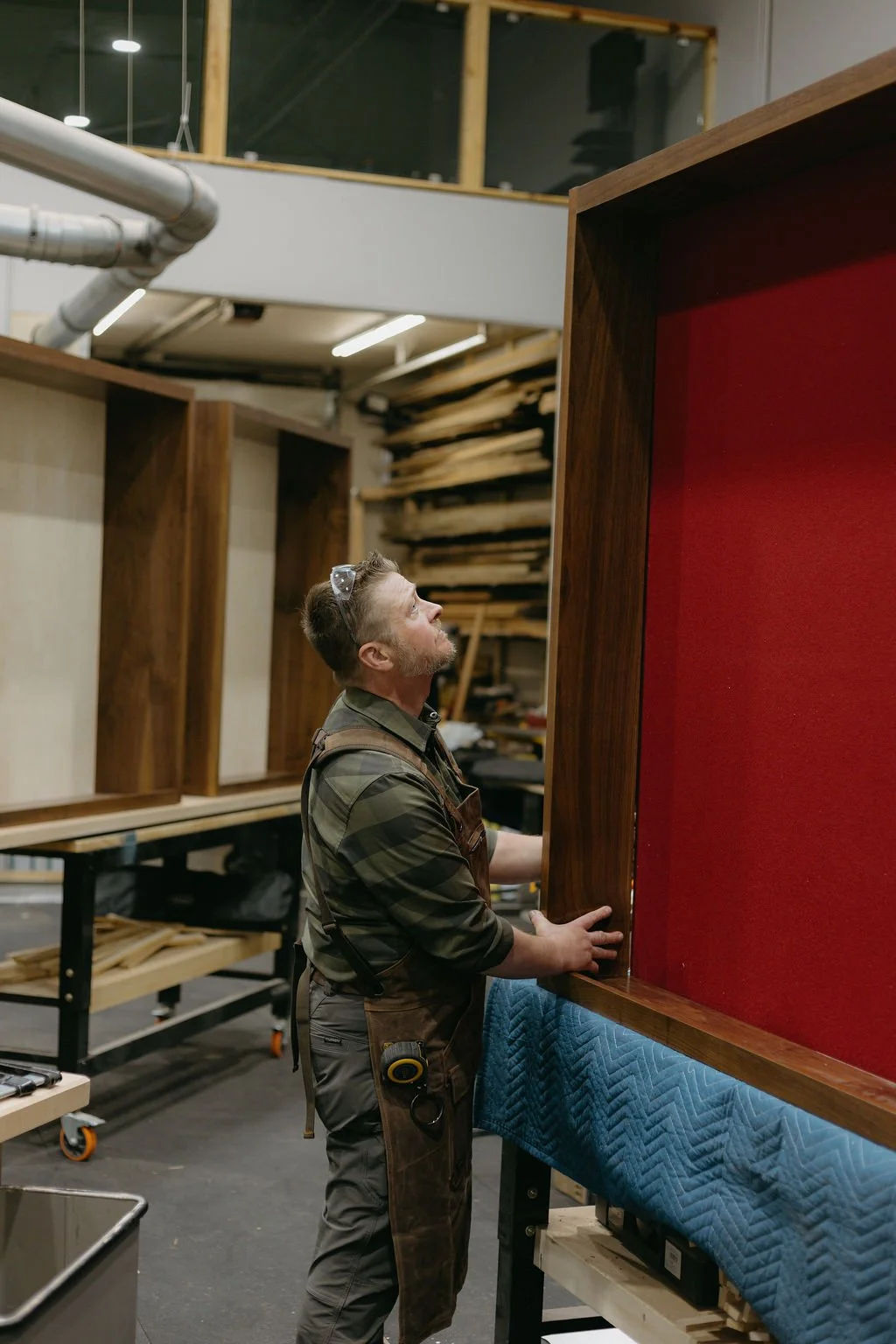
Installation Is Only the Beginning
Installation day isn’t the end of the project.
Before anything leaves my shop, it’s carefully wrapped and protected for transport. For larger projects, I coordinate with other contractors to make sure everything goes smoothly.
Once everything is installed, I’ll follow up to make sure it’s performing the way it should. If something needs attention, I take care of it.
Standing behind my work doesn’t stop when the project is finished. It’s something I take seriously long after everything is installed.
Let’s Work Together
We’d love to get in touch with you and talk through your next project. Reach out through our contact page.